 The Village Journal
Please Don’t Stop Saying Their Name
For the parents still carrying their baby’s name, and for the people who love them.
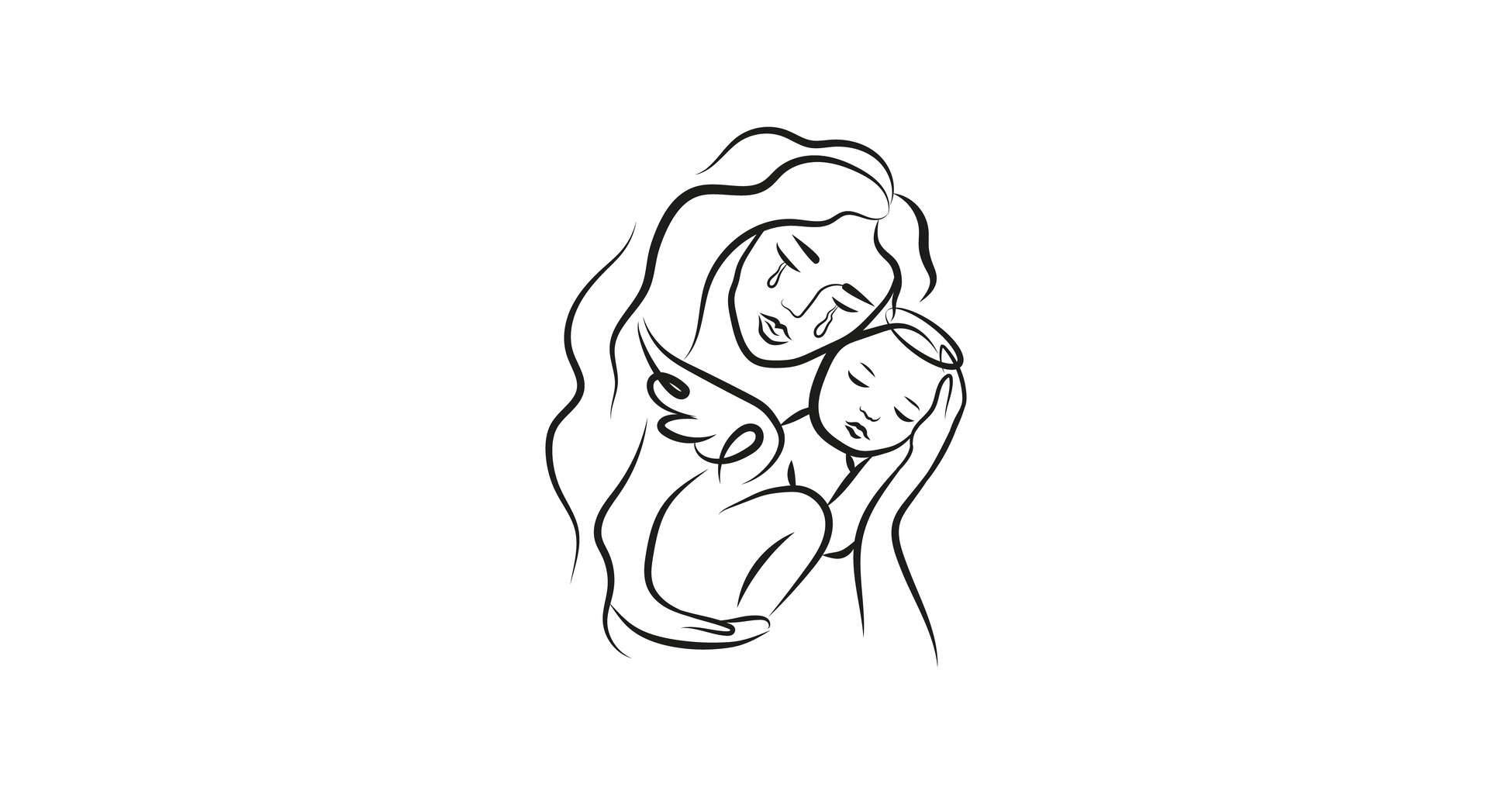
A note before you read: This post discusses pregnancy and infant loss.
At some point, it happens.
The messages slow down. The flowers fade. People stop checking in. And one day, you realize no one has said your baby’s name out loud in weeks.
Usually, it isn’t because they’ve forgotten. It’s because they’re afraid of reminding you.
As if you could ever forget.
As if you don’t remember the baby you carried, the future you imagined, the moments you had, and the ones you never got to experience.
As if hearing their name could hurt more than the silence.
October 15 is Pregnancy and Infant Loss Remembrance Day. For parents who have lost a baby, remembrance doesn’t happen once a year. It happens on ordinary Tuesdays. On birthdays that should have been celebrated. In the middle of someone else’s pregnancy announcement. In the quiet after everyone else has gone home.
Today, we want to speak to those parents first. And then to the people who love them.
To every parent who has lost a baby
Some babies are loved for a lifetime and held for only a moment. Some never make it into their parents’ arms. Some leave behind photographs, footprints, and memories. Others leave behind a name, a due date, and a future their parents had already imagined.
Every one of those babies mattered.
And every one of those parents deserves to have their grief acknowledged.
Whether your loss happened early in pregnancy, through miscarriage, stillbirth, after birth, or in infancy, you don’t need to prove how much you loved your baby. There is no number of weeks, heartbeats, or days together that makes a loss worthy of grief.
Maybe you went back to work while everyone assumed you were doing better. Maybe you have other children and are expected to be grateful for what you have. Maybe you’re pregnant again, carrying hope for one baby and grief for another. Maybe you are a father or partner whose grief rarely gets asked about. Maybe no one even knew you were expecting.
Maybe your loss happened last month. Maybe it happened twenty years ago.
You don’t have to stop talking about your baby to make someone else comfortable. You don’t have to move on according to anyone else’s timeline.
And if your baby didn’t have a name, or you never had the chance to share it, this is for you, too.
Your baby is part of your family. You get to keep saying so.
Why saying their name matters
One of the loneliest parts of pregnancy and infant loss can be watching the world carry on as though nothing happened.
When someone says your baby’s name, remembers a date, or asks about them, it tells you that you aren’t the only person holding their memory.
Talking about your baby may bring tears. So might the silence. The goal isn’t to prevent grief from showing. It’s to make room for it.
You should not have to choose between remembering your baby and making everyone around you feel comfortable.
To the people who love a grieving parent
You may be afraid of saying the wrong thing. You may worry that mentioning their baby will make them sad.
But you aren’t reminding them of something they’ve forgotten.
Say their baby’s name
Say it if they want you to. If you don’t know it, gently ask whether they’d like to share it.
Remember the dates
Their due date, birthday, or the anniversary of their death may matter long after the first weeks of support have passed.
Don’t wait for them to ask for help
Offer something specific: a meal, an errand, childcare, or simply time together.
Skip the silver linings
“At least it was early,” “you can try again,” and “everything happens for a reason” can make a parent’s loss feel smaller. Another pregnancy will never replace the baby they lost.
Keep showing up
Check in months later, and years later. Give them room to talk, cry, laugh, or say nothing at all.
And if they don’t want to talk, respect that. Remembering doesn’t require them to share their grief publicly.
October 15 and the International Wave of Light
On Pregnancy and Infant Loss Remembrance Day, families around the world take part in the International Wave of Light. At 7 p.m. local time, families light candles in remembrance of babies lost during pregnancy and infancy, creating a wave of light across time zones.
Our partners at Owlet created They Were Here as a space for families to honor their babies in whatever way feels right. Families can share remembrance candle photos using #TheyWereHere. Please check Owlet’s campaign details for information about reposting.
You can share a name, a photograph, a candle, or nothing at all. You can participate publicly or keep the evening entirely your own.
And if tonight is just another difficult night you get through, that counts, too.
Support for the days after
Pregnancy and infant loss grief doesn’t end when the cards stop coming. It may resurface at milestones, during another pregnancy, or on days no one else knows are significant.
At VillageFor, we believe maternal mental health support must include pregnancy and infant loss, not treat it as an experience outside motherhood. Our app includes support tailored to different stages of loss, with space to reflect through journaling or Voice Journal and ways to connect trusted supporters through My Village.
These resources don’t erase grief or replace professional care. They’re there because parents deserve support beyond the first days and weeks.
For every baby who should still be here
To every parent carrying the name of a baby the world didn’t get to know, we hope you never feel you have to stop saying it.
Say their name. Tell their story. Remember their birthday.
And to everyone who loves a grieving parent, please don’t wait for October 15 to remember.
Their baby mattered then. Their baby matters now.
And they always will.
With love,
Cait & Christy
If you need help right now
If you’re in crisis or having thoughts of harming yourself, please reach out now.