 The Village Journal
Postpartum Rage: What It Is and Why It Happens
Postpartum rage is a real, common symptom of postpartum mood shifts — sudden, intense anger after having a baby. Learn why it happens and what actually helps.
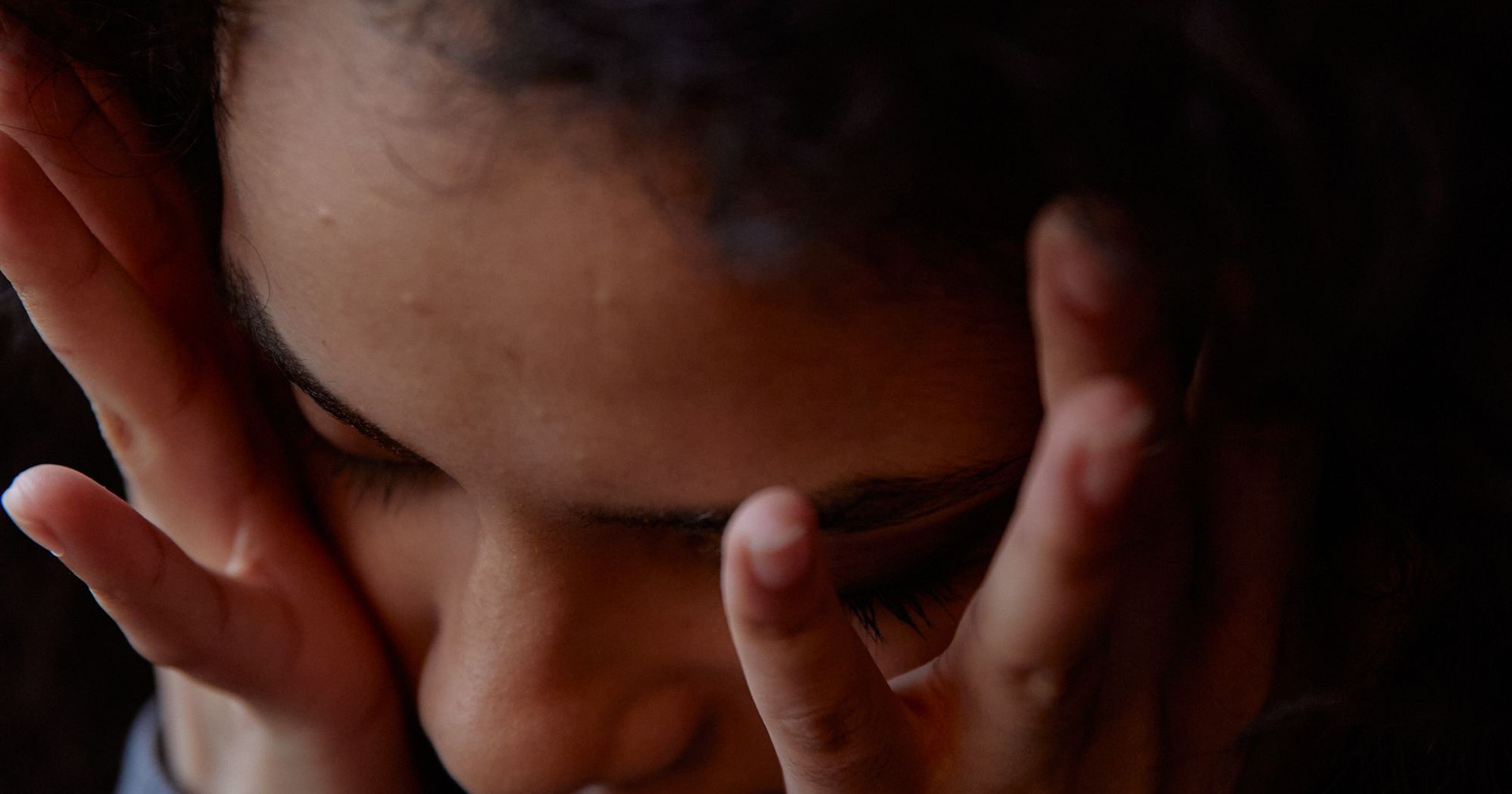
The baby won’t latch. Your partner asks one more time where the extra wipes are. And something inside you snaps — a wave of anger so fast and so hot it scares you. You slam a cabinet. You say something you’d never say. And then, seconds later, comes the shame.
If that sounds familiar, you are not broken, and you are not alone. What you’re describing has a name that almost no one uses out loud: postpartum rage.
Postpartum mood struggles are almost always described in terms of sadness or worry. Rage gets left out of the conversation entirely — which is exactly why so many moms experiencing it assume something is deeply wrong with them. It isn’t. Anger is a recognized part of the postpartum picture, and understanding it is the first step to feeling less alone in it.
What postpartum rage actually is
Postpartum rage is sudden, intense, often disproportionate anger or irritability in the weeks and months after having a baby. It’s not a standalone diagnosis — it’s a symptom, most often of postpartum depression or anxiety, and it frequently shows up alongside them rather than on its own.
What sets it apart from ordinary frustration is the intensity and the speed. It arrives with almost no warning, feels physically overwhelming, and is wildly out of proportion to whatever triggered it. Common signs include:
- Going from calm to furious in seconds, often over something small — a spill, a noise, a question.
- A physical surge — clenched jaw, hot face, racing heart, the urge to slam or throw something.
- Snapping or yelling at your partner, older kids, or even the baby, then feeling horrified afterward.
- A short fuse that stays lit — feeling permanently on the edge of irritation, like everything is too loud and too much.
- Intense guilt and shame once the wave passes, and a fear that this anger says something terrible about who you are.
That last part matters. The shame spiral is often worse than the anger itself — and it’s what keeps moms silent. Irritability that feels out of character is also a well-documented symptom of postpartum anxiety; if the anger comes wrapped in dread and racing thoughts, our guide to postpartum anxiety symptoms covers what else to look for.
Why postpartum rage happens
Rage can feel like a moral failing. It isn’t. It’s the predictable result of a nervous system under enormous strain, and there are real, physical reasons behind it.
Hormones. In the days after birth, estrogen and progesterone drop more steeply than at any other point in your life. Those same hormones help regulate mood and emotional reactivity. When they plummet, your baseline for staying calm drops with them.
Sleep deprivation. Chronic, fragmented sleep isn’t just tiring — it directly impairs the part of the brain that regulates emotion. Running for weeks on broken sleep leaves almost no buffer between a trigger and a reaction.
The mental load. Feedings, appointments, supplies, everyone else’s needs — the invisible work of keeping a household and a baby alive is relentless. Rage is often what overwhelm looks like when there’s simply nowhere left to put it.
Anger as a mask. For many moms, rage is depression or anxiety wearing a different face. Under the anger is often exhaustion, fear, grief, or a desperate need for help that hasn’t arrived. This is part of why postpartum depression and anxiety are so easy to miss — they don’t always look like sadness. If you’re wondering what’s underneath the anger, our postpartum anxiety guide walks through how these conditions are identified and treated.
Is this normal — or something more?
Occasional irritability in the postpartum months is extremely common and, on its own, usually nothing to worry about. It’s worth talking to a provider when the anger:
- Shows up most days, or feels impossible to control once it starts.
- Is straining your relationships or leaving you afraid of your own reactions.
- Comes with persistent sadness, hopelessness, anxiety, or trouble bonding with your baby.
- Is paired with frightening, intrusive thoughts. These are a recognized postpartum symptom, not a reflection of who you are — you can read more about intrusive thoughts after baby and why they happen.
None of this means you’ve done anything wrong. It means your body and mind are carrying more than anyone should carry alone — and that support exists.
What helps when the rage takes over
You can’t always stop the wave, but you can build a plan for what to do when it arrives — and reduce how often it does.
- Name it, out loud, without judgment. “This is postpartum rage. It’s a symptom. It will pass.” Naming it interrupts the shame spiral and reminds you it’s not the truth about you.
- Create a pause. If the baby is safe, it’s okay to put them down in the crib and step into another room for sixty seconds. Walking away for a moment is a responsible choice, not a failure.
- Discharge the physical surge. Cold water on your wrists or face, a hard exhale, ten slow breaths — anything that tells your nervous system the threat is over.
- Protect your sleep where you can. Even one longer stretch, traded off with a partner or helper, meaningfully raises your threshold.
- Tell someone. Your OB, midwife, or doctor. Say the word “anger” specifically — many moms describe the sadness but hide the rage, and providers can only help with what they hear.
Postpartum rage responds well to the same support that helps depression and anxiety — therapy, and sometimes medication. Reaching out isn’t an overreaction. It’s how this gets better.
Go deeper
Postpartum anxiety: the complete guide for new moms→Postpartum anxiety symptoms no one talks about→Intrusive thoughts postpartum→Common questions about postpartum rage
Is postpartum rage a real condition?
Postpartum rage isn’t a standalone diagnosis, but it is a real and recognized symptom — most often of postpartum depression or anxiety. It describes sudden, intense anger or irritability after having a baby, and it’s far more common than the near-total silence around it suggests.
Why am I so angry after having a baby?
A steep drop in hormones, chronic sleep deprivation, and a relentless mental load all lower your capacity to stay calm. Anger is often the surface expression of underlying exhaustion, anxiety, or depression — your nervous system signaling that it’s carrying more than it can hold.
Is postpartum rage the same as postpartum depression?
Not exactly. Rage is frequently a symptom of postpartum depression or anxiety rather than a separate condition. Depression doesn’t always look like sadness — for many moms, irritability and anger are the most visible signs.
When should I get help for postpartum rage?
Reach out to a provider if the anger happens most days, feels uncontrollable, is straining your relationships, or comes with sadness, hopelessness, anxiety, or intrusive thoughts. You don’t need to wait until it feels “bad enough” — earlier support makes recovery easier.
If this is an emergency
If you feel like you might hurt yourself or your baby, please reach out right now. You are not alone, and you are not a bad mom for feeling this way. Help is available around the clock.